
More Information
Submitted: October 29, 2025 | Approved: March 05, 2026 | Published: March 06, 2026
How to cite this article: Elfu M, Woldesenbet F. Traditional Fermented Foods and their Starter Culture in Ethiopia. Arch Biotechnol Biomed. 2026; 10(1): 001-008. Available from:
https://dx.doi.org/10.29328/journal.abb.1001047.
DOI: 10.29328/journal.abb.1001047
Copyright license: © 2026 Elfu M, et al. This is an open access article distributed under the Creative Commons Attribution License, which permits unrestricted use, distribution, and reproduction in any medium, provided the original work is properly cited.
Keywords: Traditional fermented foods; Lactic acid bacteria; Starter cultures; Probiotics; Bacteriocins; Food safety and preservation; Indigenous knowledge

Traditional Fermented Foods and their Starter Culture in Ethiopia
Meskerem Elfu* and Fantahun Woldesenbet
Addis Ababa, Ethiopia
*Address for Correspondence: Meskerem Elfu, Addis Ababa, Ethiopia, Email: [email protected]
Starter cultures are organisms that are used to initiate a fermentation process. It can be obtained either as pure culture from a commercial laboratory or from a portion of previously cultured product. The microorganisms are selected for their ability to produce lactic acid for crude production and a low pH to prevent spoilage, produce metabolites that give desirable flavors, or produce enzymes that mature the product. In Ethiopia, traditionally fermented foods and beverages are consumed on different occasions such as marriages, at festivals, social gatherings, and ceremonies. In Ethiopia, fermentation takes place traditionally without using a modified starter culture. During fermentation, different pathogenic and food spoilage organisms enter the food, and they may cause disease to consumers. This problem may be solved by using a modified starter culture that inhibits the growth of pathogenic and food spoilage organisms. Many developing countries use a modified starter culture to ferment their foods. This review focuses on the use of starter culture, fermented food by starter culture, and organisms used as starter culture in Ethiopia and developing countries.
Lactic acid bacteria (LAB) are the primary microorganisms used to ferment maize, sorghum, or millet-based foods that are processed in West Africa. Fermentation contributes to desirable changes in taste, flavor, acidity, digestibility, and texture in fermented food products. Similar to other fermented cereal foods that are available in Africa, these products suffer from inconsistent quality [1].
In Ethiopia, traditionally fermented foods and beverages are consumed on different occasions such as marriages, at festivals, social gatherings, and ceremonies. The variety of foods and beverages processed and consumed among the various ethnic groups are manifestation of this diversity. Some of the food items may be consumed in their raw forms, but processing of one type or another is usually the rule rather than an exception. This usually includes salting and drying, boiling, roasting, frying, baking, cooking, fermenting, or various combinations of these. In Ethiopia, fermentation is usually natural, with no defined starter cultures used to initiate it. In most cases, this is made possible through the proliferation of the initial food flora, with microbial succession determined by ambient temperatures and chemical changes in the fermenting food [2].
According to Leroy [3]), using Functional starter cultures offers an additional functionality compared to classical starter cultures and represents a way of improving and optimizing the substrate fermentation process and achieving tastier, safer, and healthier products. Commercial starter cultures are supplied in concentrated form by freeze-drying, vacuum-drying, spray-drying, drum-drying, fluidized bed-drying, or air-drying. The use of dried starter cultures is of great benefit to small-scale processing units in Senegal [1].
In Ethiopia, preparation of many indigenous or traditional fermented foods and beverages is still a household art. In addition to these traditional foods and traditional food processing techniques, form part of the culture of the people. Traditional food processing activities constitute a vital body of indigenous knowledge handed down from parent to child over several generations. Unfortunately, this vital body of indigenous knowledge is often undervalued. In this review, the history of starter culture, the importance of starter culture, the function of starter culture, the organisms involved in starter culture, the different types of Ethiopian fermented foods, and their starter culture will be discussed.
History of starter culture
The history of starter culture fermentation has a long tradition. At first, there was a purely empirical principle without the connection between the metabolic activity of microorganisms and desired changes in the product [4]. Louis Pasteur was the first to recognize the nature of fermentation, describing fermentation as a microbial “life without air” [5]. In 1866 Pasture discovered microorganisms as sources for the fermentation process. In 1892, Hansen started selling the first commercial starter culture for diary industry [6].
According to Susanna [7], the first LAB meat starter culture, introduced as a pure culture of Pediococcus scerevisiae, was developed in 1955. At the same time, Niinivaara in 1955 applied Micrococcus to dry sausage production in Europe. The work of Niinivaara was continued by Nurmiin in 1966, who combined micrococci with Lactobacillus plantarum. Today, several companies provide Lactobacillus species, Pediococcus acidilactici, Pediococcus pentosaceus, Staphylococcus xylosus, or Staphylococcus carnosus strains in pure cultures or their mixtures for the fermentation of meat. In 1972, the first international symposium of starter culture in Helsinki helped to get starters accepted by butchers and the meat industry [6].
A recent study shows that commercial starter cultures are used to improve the quality of artisanal dry fermented sausage in Argentina [8]. Different kinds of commercially available functional starter culture used to initiate meat fermentation. The isolates used in meat fermentation were able to perform fermentation properly with various health benefits [9].
Definition of starter culture
A starter culture can be defined as a preparation of live microorganisms or their resting forms, whose metabolic activities have desired effects in the fermentation substrate, the food. The fermentation may contain unavoidable residues from the culture substrate and additives that support the vitality and technological functionality of the microorganisms [6].
Advantages of starter culture
- Preservation,
- Lactic acid production,
- Reduction of hygienic risk,
- Ensuring constant high product quality,
- Control the development of color and flavor,
- Control fermentation time,
- Reduction of cost by reducing fermentation time,
- Assures production of products of high safety and sensory quality [4].
- Starter culture organisms
The most common organisms responsible for the fermentation of food are acid-forming bacteria, such as genera LAB, which includes Lactococcus, Lactobacillus, Streptococcus, Pediococcus, Leuconostoc, Enterococcus, Aerococcus, Corynobacterium, and Oenococcus. LABs that are important in food technology include the genera Lactococcus, Lactobacillus, Pediococcus, and Leuconostoc. Some yeast such as Saccharomyces, and Molds such as Penicillin, Aspergillus, and Botrytisare also involved during food fermentation due to the lactic acid they produce. LAB play key role in the safety and acceptability of fermented foods [12].
Characteristics of starter culture organisms
The LAB, a component of several fermented foods, including dairy products have long been consumed by people. LAB is utilized as a starter culture organism in different developed countries [13]. They are a group of gram-positive, non-spore-forming cocci or rods, catalase-negative, non-motile, and which produce lactic acid as the major end product during the fermentation of carbohydrates [14].
Lactobacillus: Lactobacilli are described as Gram-positive, catalase-negative, non-sporing rods, whose length varies between 1.5 μm and 5 μm. They may also have a slender, curved, or bent appearance and frequently can form chains. Colony morphology is also variable on agar plates, with some strains producing large, round colonies and others producing small or irregular colonies. Most of the lactobacilli are mesophilic, but the genus also contains species that are psychrotrophic, thermoduric, or thermophilic. The temperature optimum varies from 30 to 45 ºC. Some species show high tolerance to salt, osmotic pressure, and low water activity. Acid tolerance is a common feature of lactobacilli, and most of the strains are able to grow at pH below 4.4. The optimum pH value for their growth is 5.5–6.5. Some strains are ethanol-tolerant and bile-tolerant as well. Most of the species are aero-tolerant, but some of them require strict anaerobic conditions [15].
Pediococcus: Pediococci are characterized as being Gram-positive, nonmotile, catalase-negative, and aerobic to microaerophilic bacteria. Members of this genus are Homofermentative, with glucose converted to either l- or dl-lactate. Pediococci are chemoorganotrophs and require complex growth factors and amino acids. In addition, these are the only lactic acid bacteria that divide in two planes, which results in the formation of pairs, tetrads, or large clumps of spherical cells required nicotinic acid, pantothenic acid, and biotin, whereas none require thiamine, p-aminobenzoic acid, or cobalamine. Several amino acids (glutamic acid, valine, arginine, leucine, and isoleucine) appear to be essential for growth [16].
Leuconostoc: Leuconostocs are generally spherical or lenticular cells (0,4 μm to 0,5 μm), occurring in pairs or chains; they are non-spore-forming, Gram-positive, non-motile, and catalase-negative [17].
Streptococcus and enterococcus
The genus Streptococcus and Enterococcus are gram-positive, spherical or ovoid cells that are typically arranged in pairs or chains. They are non-spore-forming, facultative anaerobic, catalase-negative, homofermentative, and have complex nutritional requirements. Widely distributed in the mucosal surface of man and animals, including gastro intestinal tract, but some are found in soil, water, dairy products, and other foods, and on plants [18].
Homofermentative LAB
Ferment glucose with lactic acid as the primary by-product. Homofermentative LAB includes Lactococcus spp. that is used in dairy starter culture applications where the rapid development of lactic acid and reduced pH is desirable. Other homofermentative LAB include yogurt strains consisting of rods (Lactobacillus delbruckii subspecies bulgaricus, Lb. acidophilus) and cocci (Streptococcus salivarius subsp. thermophilus) and thermophilic strains that might be used in cheese (e.g., Lb. helveticus). Other homofermentativecocci that might be found in milk and dairy products, but are rarely used as starter cultures, include other Streptococcus spp., Enterococcus, Pediococcus, and Aerococcus [19].
Heterofermentative LAB
Ferment glucose with lactic acid, ethanol/acetic acid, and carbon dioxide (CO2) as byproducts. Testing for heterofermentative fermentation generally involves the detection of gas (e.g., CO2). Except for certain fermented milk products, heterofermentative LAB are rarely used as dairy starter cultures, although they are not uncommon in milk and dairy products. If allowed to grow to significant numbers, they can cause defects related to their acid and CO2 production, such as slits in hard cheeses or bloated packaging in other dairy products. Heterofermentative LAB includes Leuconostoc spp. (Gram-positive cocci) and Gram-positive rods such as Lactobacillus brevis, Lb. fermentum, and Lb. reuteri. Other Lactobacillus species are considered “facultatively” heterofermentative, meaning they will produce CO2 and other by-products only under certain conditions or from specific substrates. These strains would include Lb. plantarum, Lb. casei and Lb. curvatus [19].
Other gas producing pathways
Some LAB have the ability to produce gas from other substrates, including citrate, gluconate, and certain amino acids. Certain citrate fermenters are used in some dairy products to provide flavor (e.g., diacetyl). Leuconostoc mesenteroides subsp. cremoris and Lactococcus lactis subsp. Lactis biovar acetylactis is often used to make products such as buttermilk, sour cream, and cultured butter. These organisms can also occur as wild contaminants, causing defects in dairy products where certain flavors and gases are not desirable [19].
Nature of starter culture organisms
The starter culture of LAB that initiates acidification of the raw substrate has different natures. In general, they are nonpathogenic to man and animals. They need fermentable carbohydrates for growth and produce lactic acid as a sole or main product from the energy-yielding fermentation of sugars. In addition, they can produce antimicrobial substances, including Bacteriocins that have the ability to inhibit pathogenic and food spoilage bacteria [20-22]. LAB contributes to the aroma and flavor of fermented products. They acidify the food, resulting in a tangy lactic acid taste, frequently exert proteolytic and lipolytic activities, and produce aromatic compounds [23].
Growth condition of starter culture organisms
According to Anon [24] and Askale and Kebede [25], observations of LAB genera are generally mesophilic microorganisms but can grow at temperatures ranging from 5 0C - 50 0C. Temperature is one factor that affects fermented food.
pH is another factor that affects fermented foods. In most fermented foods increase in acidity is due to the formation of lactic acid produced by LAB present in food during storage periods [26]; in addition, these LAB are salt-tolerant. The addition of salt to food inhibits the growth of pathogenic and food-spoilage bacteria. The inoculum size and fermentation period also influence fermented foods. The addition of a higher amount of inoculum size leads to the product becoming sour. This is due action of LAB [27]. Different temperature-tolerant LAB genera are presented below (Table 1).
| Table 1: Growth temperature of LAB. | |
| Genera | Temperature 0C |
| Pediococcus | 15-45 |
| Lactobacillus | 4-45 |
| Leuconostoc | 15-30 |
| Lactococcus | 4-15 |
| Entrococcus | 4-45 |
Fermented foods and their starter organisms
Ethiopian traditional fermented foods consist of different kinds of starter organisms to initiate the fermentation process. Organisms are obtained from food substrates. Such as tella is Ethiopian fermented beverage; its fermentation takes up to 15 days [28]. To initiate the fermentation maltadded as the starter culture; malt is the source of organisms in the fermentation. Ethiopian traditional fermented foods and African fermented foods and their starter organisms are summarized below.
Probiotics
Probiotics may be defined as “live microbial food ingredient that, when ingested in sufficient quantities, exerts health benefits on the consumer”. Probiotics have now emerged as an important category of food supplement and can be found in conventional, dietary supplements, and medicinal foods [29]. According to Pundir [30], observation of the probiotic affects the host animal by improving its microbial balance.‟ Probiotic bacteria may produce various compounds, which are inhibitory to the growth of pathogens, which include organic acids (lactic and acetic acids), bacteriocins, and reuterin.
According to Tomas [31], lactobacilli, Bafidobacteria and Streptococcus are microorganisms that are proposed as probiotics for both the gastrointestinal and urogenital tracts. In addition to this, Lab which produce bacteriocines are widely used in probiotic products for human and animal consumption to prevent the growth of pathogens in the intestinal tract. They cause reduced lactose intolerance, alleviation of some diarrheas, lowered blood cholesterol, increased immune response, and prevention of cancer.
Bacteriocins
Bacteriocins are substances of protein structure possessing antimicrobial activities. They are produced during the growth of a great number of Gram-positive bacteria and Gram-negative bacteria. Although bacteriocins could be categorized as antibiotics, they are not. The major difference between bacteriocins and antibiotics is that bacteriocins restrict their activity to strains of species related to the producing species, and particularly to strains of the same species.
Antibiotics, on the other hand, have a wider activity spectrum, and even if their activity is restricted, this does not show any preferential effect on closely related strains [32].
Bacteriocins kill or inhibit the growth of other bacteria. Many lactic acid bacteria produce a high diversity of different bacteriocins. Though these bacteriocins are produced by LAB found in numerous fermented and non-fermented foods, nisin is currently the only bacteriocin widely used as a food preservative. Bacteriocins are isolated from foods such as meat and dairy products, which normally contain lactic acid bacteria [33]. Bacteriocins are also useful in the food and feed industry because of their antibacterial characteristics; moreover, bacteriocins can be used as bio-preservatives in fermented foods [34] (Table 2).
| Table 2: LAB used as starter culture. | ||
| Food | Starter organism | Reference |
| Siljo | Lactobacillus | Mogesse, 2006 [2] |
| Yogurt | Lactococcus | Kucerova, et al. 2009 [38] |
| Lactobacillus | ||
| Entrococcus | ||
| Streptococcus | ||
| Leuconostoc | ||
| Pediococcus | ||
| Sea foods | Staphylococcus | Francois, 2010 [39] |
| Clostridium | ||
| Leuconostoc | ||
| Tetra gonococcus | ||
| Staphylococcus | ||
| Tella | Lactobacillus | Haymanot, 2011 [28] |
| Ice cream | Lactobacillus | Javed and Muhammad, 2011 [40] |
| Bafidobacterium | ||
| Bread | Lactococcus | Gracova, et al. 2011 [15] |
| Lactobacillus | ||
| Entrococcus | ||
| Streptococcus | ||
| Carnobacterium | ||
| Pediococus | ||
| Arerococcus | ||
| Oenococcus | ||
| Tetragenococcus | ||
| Vagococcus | ||
| Weisella | ||
| Poultry product | Lactobacillus | Surachon, et al. 2011 [41] |
| Borde | Lactobacillus | Kebede, 2013 [42] |
| Pediococcus | ||
| Wessilelia | ||
| Entrococcus | ||
| Sausage | Lactobacillus | ZdoLe, et al. 2013 [43] |
| Staphylococcus | ||
| Pediococcus | ||
| Butter and Buttermilk: | Lactococcus | Hatie, et al. 2013 [23] |
| Leuconostoc | ||
| Enjera | Lactococcus | Desiye, 2013 [44] |
| Leuconostoc | ||
| Lactobacillus | ||
| Entrococcus | ||
| Pediococcus | ||
| Cheese | Lactobacillus | Khalaileh and Ajo, 2013 [45] |
| Bafidobacterium | ||
| Cassava | Lactobacillus plantarum | Tefera, et al. 2014 [46] |
| Leuconostoc mesenteroides | ||
| kocho | Lactococcus | Tiruha, et al. 2014 [35] |
| Leuconostoc | ||
| Lactobacillus | ||
| Entrococcus | ||
| Pediococcus | ||
| Lactobacillus | ||
Starter culture in different Ethiopian and African fermented foods
In Ethiopia, starter culture is used to reduce the fermentation period in enjera, borde, bread, etc. Types of starter culture are previous fermentation (ersho, tinsis) and maltno use of commercial starter culture in Ethiopia, but in Africa, most types of food fermentation are by using commercial starter culture, as presented in Table 3. In Africa, starter culture is used to reduce the toxic levels of foods like cassava to reduce the content of cyanide content [24]. The function of starter culture in Ethiopian and African food fermentation is summarized below.
Table 3: Starter culture used foods and their role in fermentation. |
|||
| Type of food | Function of starter culture | Type of starter used | Reference |
| Gari(cassava) | • Reduce processing time |
Commercial | Anon, 2005 [24] |
| Enjera | • Reduce fermentation period |
Ersho or prefemented teff |
Mogesse, 2006 [2] |
| Cheese | • Reduce pH |
Commercial | Kongo, 2013 [47] |
| Bread | • Extend shelf life |
Pre-fermented dough | Muhialidin, et al. 2013 [48] |
| Borde | • Quality |
Prefermented and bikil | Kebede, 2013 [42] |
|
• Initiate fermentation |
|
|
| Karibo | • Reduce fermentation period |
Bikil | Abawari, 2013 [49] |
| Kocho | • Reduce pH |
Traditionally prepared and previously fermented enset | Tiruha, et al. 2014 [35] |
| Tella | • Reduce fermentation period |
Tinsis | Belay and Awraris, 2014 [50] |
| Meat | • Produce tastier, safer, and healthier products |
Commercial starter | Bevilacqua, et al. 2015 [9]. |
| Sausage | • Quality product |
Commercial starter culture | Wang, et al. 2015 [51] |
LAB is pH and temperature-tolerant, as mentioned below. They tolerate lower pH and higher temperatures (Table 4).
| Table 4: Growth temperature and pH of LAB in different fermented foods. | |||
| Food | pH | Temperature 0C | Reference |
| Siljo | 3.9-6.0 | 18-22 | Mogesse, 2006 [2] |
| Sour milk | 4 | 30 | Mogesse, 2006 [2] |
| Enjera | 3.5-5.8 | 17-25 | Mogesse, 2006 [2] |
| Kocho | 4.2-6.5 | 15-50 | Mogesse, 2006 [2] |
| Sour dough | 3.3 | 15-45 | Kockova, et al. 2011 [52] |
| Cheese | 5.4 | 37 | Khalaieh and Ajo, 2013 [45] |
Raw materials for the production of starter culture
Raw material required for the fermentation of food comes from the substrate itself. Enjera is one of the traditional fermented foods in Ethiopia. It needs a starter culture to be consumed as Enjera. Raw material needed for Enjera preparation is teff flour, water, and ersho. Raw materials mixed and incubated for 24 hr. Ersho is used as a starter culture to initiate fermentation. Ersho is previously fermented teff [2]. Kocho is another Ethiopian fermented food obtained from enset. Enset is a raw material for kocho preparation. Previous fermented enset used as starter culture [35].
The bacteria use food as a substrate for their propagation. And also degrades cellulosic and hemicellulose materials, inhibits the growth of food spoilage and pathogenic microbes, and preserves food for a longer period. LAB inhibits the growth of food spoilage and pathogenic bacteria by producing bacteriocins [36].
Development of starter culture
Starter cultures have been developed for use as inoculants in commercial fermentation processes in developed countries [15]. Defined cultures are produced by pure culture maintenance and propagation under aseptic conditions (Figures 1,2).
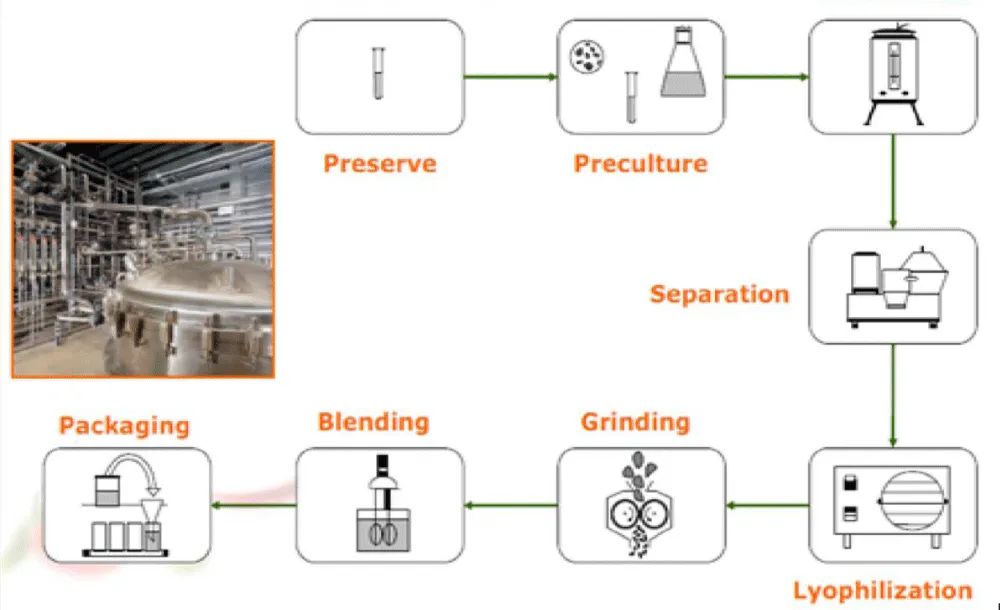
Figure 1: Development of starter culture.

Figure 2: Commercially available starter cultures (A) liquid and (B) powdered form starter cultures.
The process of starter culture development starts from isolating starter organisms from different sources, such as fermented foods and beverages. Isolates are characterized morphologically and biochemically. Strain preserved by using glycerol for longer periods. Preserved isolates were precultured in MRS broth, then separated using a centrifuge. Centrifuged culture was dried by using a lyophilizer, and finally ground; the flour was packed.
They are generally marketed in a liquid or powdered form or else as a pressed cake. Addition of starter cultures is most often used when it is possible to inactivate the indigenous microbiota by heat treatment of the raw material, permitting the growth of only the added starter microorganisms [37].
The addition of starter culture on different food substrates gives health benefits for consumers and improves nutritional value. Different studies define the use of starter cultures as a source of beneficial organisms for consumers, giving quality products for industries, reducing fermentation time, inhibiting the growth of pathogenic microorganisms and food spoilage organisms, and improving the nutritional value of food [1]. In Ethiopia, there is no use of starter culture; fermentation takes place traditionally through the presence of microorganisms in the substrate [28].
Starter culture has a fundamental effect on the acidity, moisture content, texture, and shelf life of the fermented food. Developed countries provide the nutritional value of fermented foods; receive quality products and probiotic organisms by using starter culture in their foods.
Public sectors should also come forward to support the agencies engaged in this field. With the help of microbiology techniques, several beneficial bacteria discovered for industrial uses. In order to have more potential starter culture organisms in the future, it is critical to carry out more research on the use of modified starter culture, mass production of starter organisms, and give special attention to the cost of the product.
- Soro Y, Brou K, Amani G, Thonart P, Marcelin K. The use of lactic acid bacteria starter cultures during the processing of fermented cereal-based foods in West Africa: a review. Trop Life Sci Res. 2014;25:81-100. Available from: https://pmc.ncbi.nlm.nih.gov/articles/PMC4814148/
- Mogessie A. A review on the microbiology of indigenous fermented foods and beverages of Ethiopia. Ethiop J Biol Sci. 2006;5:189-245. Available from: https://scispace.com/pdf/a-review-on-the-microbiology-of-indigenous-fermented-foods-1uvg0pe38e.pdf
- Leroy F, Verluyten J, De Vuyst L. Functional meat starter cultures for improved sausage fermentation. Int J Food Microbiol. 2006;106:270-285. Available from: https://doi.org/10.1016/j.ijfoodmicro.2005.06.027
- Sawitzki C, Fiorentini M, Bertol M, Sant'Anna S. Lactobacillus plantarum strains isolated from naturally fermented sausages and their technological properties for application as starter cultures. Cienc Tecnol Aliment Campinas. 2009;29:340-345. Available from: https://doi.org/10.1590/S0101-20612009000200016
- Vogel RF, Hammes WP, Habermeyer M, Engel KH, Knorr D, SKLM, editors. Microbial food cultures. Weinheim: Wiley-VCH Verlag GmbH & Co. KGaA; 2010. Available from: https://doi.org/10.1002/mnfr.201100010
- Albrecht T. Meat starter cultures. 2013. Available from: http://wateetons.com/wp-content/uploads/2015/01/FRUTAROM-Starter-cultures-SPEKEMAT2013.pdf
- Susanna E. Bioprotective and probiotic meat starter cultures for the fermentation of dry sausages [dissertation]. Helsinki: Department of Food Technology, University of Helsinki; 2001. Available from: https://www.semanticscholar.org/paper/Bioprotective-and-probiotic-meat-starter-cultures-Erkkil%C3%A4/1ed0fe51a394c5ea82cc3b6218dd3a71e6008b07
- Prpich P, Castro P, Cayré E, Garro A, Vignolo M. Indigenous starter cultures to improve quality of artisanal dry fermented sausages from Chaco (Argentina). Int J Food Sci. 2015;2015:931970. Available from: https://doi.org/10.1155/2015/931970
- Bevilacqua A, Corbo R, Speranza B, Maggio D, Gallo M, Sinigaglia M. Functional starter cultures for meat: a case study on technological and probiotic characterization. Food Nutr Sci. 2015;6:511-522. Available from: https://www.scirp.org/journal/paperinformation?paperid=55475
- Saeed M, Anjum M, Zahoor T, Nawaz H, Rehman S. Isolation and characterization of starter culture from spontaneous fermentation of sourdough. Int J Agric Biol. 2009;11:329-332. Available from: https://www.fspublishers.org/published_papers/67677_..pdf
- Panesar P. Fermented dairy products: starter cultures and potential nutritional benefits. Food Nutr Sci. 2011;2:47-51. Available from: https://www.scirp.org/journal/paperinformation?paperid=3643
- Adusulu T, Awojobi O. Enhancing sustainable development through indigenous fermented food products in Nigeria. Afr J Microbiol Res. 2014;8:1338-1348. Available from: https://doi.org/10.5897/AJMR2013.5439
- Chang HY, Shim YY, Cha SK, Chee KM. Probiotic characteristics of lactic acid bacteria isolated from kimchi. J Appl Microbiol. 2009;109:220-230. Available from: https://doi.org/10.1111/j.1365-2672.2009.04648.x
- Teshome G. Review on lactic acid bacteria function in milk fermentation and preservation. Afr J Food Sci. 2015;9:170-175. Available from: https://academicjournals.org/journal/AJFS/article-full-text/42A711451562
- Gerekova P, Petrulakova Z, Sturdík E. Importance of lactobacilli for breadmaking industry. Acta Chim Slovaca. 2011;4:118-135. Available from: https://acs.fchpt.stuba.sk/papers/acs_0098.pdf
- Kenneth C, Charles G. Wine microbiology: practical applications and procedures. 2nd ed. California and Washington; 2007. Available from: https://www.researchgate.net/publication/287245148_Wine_Microbiology_Practical_Applications_and_Procedures
- Ethiopian Standards Agency. Milk, milk products and mesophilic starter cultures—enumeration of citrate-fermenting lactic acid bacteria, colony count technique at 25°C. 1st ed. ES ISO 17792; 2012. Available from: https://www.iso.org/standard/38486.html
- Hardie J, Whiley R. Classification and overview of the genera Streptococcus and Enterococcus. J Appl Microbiol Suppl. 1997;83:1-11. Available from: https://doi.org/10.1046/j.1365-2672.83.s1.1.x
- Cornell University. Milk quality improvement program. 2000. Available from: https://cals.cornell.edu/food-safety-laboratory/research-and-publications/milk-quality-improvement-program
- Anas M, Zinedine A, Rizk A, Eddine J, Mebrouk K. Screening of autochthonous Lactobacillus species from Algerian raw goats' milk for the production of bacteriocin-like compounds against Staphylococcus aureus. Afr J Biotechnol. 2012;11:4595-4607. Available from: https://www.academicjournals.org/article/article1380880366_Anas%20et%20al.pdf
- Desalegn A. Antimicrobial activity of lactic acid bacteria isolated from “Ergo”, Ethiopian traditional fermented milk: review. Curr Res Microbiol Biotechnol. 2013;1:278-284.
- Esayas A. Antimicrobial activity of lactic acid bacteria isolated from “Ergo”, Ethiopian traditional fermented milk on some food-borne pathogens [MSc thesis]. Addis Ababa: Addis Ababa University; 2006. Available from: https://www.scribd.com/document/79008803/Esayas-Assefa
- Hati S, Mandal S, Praja P. Novel starters for value added fermented dairy products. Curr Res Nutr Food Sci. 2013;1:83-91. Available from: https://www.semanticscholar.org/paper/Novel-Starters-for-Value-Added-Fermented-Dairy-Hati-Mandal/396ff3f72bb3c1a6ecffdf9228c1b4f3f909d820
- Anonymous. Production. 2005. Available from: http://wiredspace.wits.ac.za/bitstream/handle/10539/1782/MSc%2520Research%2520Report.pdf%3Fseque
- Askal D, Kebede A. Isolation, characterization and identification of lactic acid bacteria and yeast involved in fermentation of Teff (Eragrostis tef) batter. Access Int J. 2013;1:36-44. Available from: https://www.researchgate.net/profile/Kebede-Ali-2/publication/275642787_Isolation_characterization_and_identification_of_lactic_acid_bacteria_and_yeast_involved_in_fermentation_of_Teff_EragrostisTef_Batter_Askal_Desiye1_and_Kebede_Abegaz2/links/554157f70cf23222273157de/Isolation-characterization-and-identification-of-lactic-acid-bacteria-and-yeast-involved-in-fermentation-of-Teff-EragrostisTef-Batter-Askal-Desiye1-and-Kebede-Abegaz2.pdf
- Anjum R, Zahoor T, Akhtar S. Comparative study of yoghurt prepared by using local isolated and commercial imported starter culture. J Res Sci. 2007;18:35-41. Available from: https://www.researchgate.net/publication/260079457_Comparative_study_of_yogurt_prepared_by_using_local_isolated_and_commercial_imported_starter_culture
- Huseyin E, Hasen T, Turrut C, Ahmet C. The influence of inoculum level on fermentation and flavor compounds of white wines made from cv. Emir. J Inst Brew. 2006;112:232-236. Available from: https://doi.org/10.1002/j.2050-0416.2006.tb00718.x
- Haimanot A. Isolation and characterization of the dominant yeast in the traditional beverages of Ethiopia: tella and tej [MSc thesis]. Addis Ababa: Addis Ababa University; 2001. Available from: https://www.semanticscholar.org/paper/Isolation-and-Characterization-of-the-Dominant-in-Abebe/27a6cb262b1a49052ee3182a7d8c64b794e18656
- Sarkar S. Microbiological considerations for probiotic supplemented foods. Int J Microbiol Adv Immunol. 2013;1:102. Available from: https://www.airitilibrary.com/Article/Detail/P20151019003-201304-201511130005-201511130005-1-5
- Pundir RK, Rana S, Kashyap N, Kaur A. Probiotic potential of lactic acid bacteria isolated from food samples: an in vitro study. J Appl Pharm Sci. 2013;3:085-093. Available from: https://japsonline.com/admin/php/uploads/824_pdf.pdf
- Tomas J, Bru E, Wiese B, Holgado R, Macias N. Influence of pH, temperature, and culture media on the growth and bacteriocin production by vaginal Lactobacillus salivarius CRL 1328. J Appl Microbiol. 2002;93:714-724. Available from: https://doi.org/10.1046/j.1365-2672.2002.01753.x
- Zacharof MP, Lovitt RW. Bacteriocins produced by lactic acid bacteria: a review. APCBEE Procedia. 2012;2:50-56. Available from: https://doi.org/10.1016/j.apcbee.2012.06.010
- Cleveland J, Montville TJ, Nes IF, Chikindas ML. Bacteriocins: safe, natural antimicrobials for food preservation. Int J Food Microbiol. 2001;71:1-20. Available from: https://doi.org/10.1016/s0168-1605(01)00560-8
- Narender B, Ravi P, Sunder A, Mallikajun V. Isolation and characterization of bacteriocins from fermented foods and probiotics. Int J Pharma Bio Sci. 2010;1:0975-6299. Available from: https://www.ijpbs.net/abstract.php?article=MzE3
- Tiruha H, Kebede A, Edessa N. The microbiology of kocho: an Ethiopian traditional fermented food from enset. Int J Life Sci. 2014;8:7-13. Available from: https://www.researchgate.net/publication/268969233_The_microbiology_of_Kocho_An_Ethiopian_Traditionally_Fermented_Food_from_Enset_Ensete_ventricosum
- Chelule PK, Mokoena MP, Gqaleni N. Advantages of traditional lactic acid bacteria fermentation of food in Africa. 2010:1160-1167. Available from: https://www.researchgate.net/publication/268186803_Advantages_of_traditional_lactic_acid_bacteria_fermentation_of_food_in_Africa
- FAO. Agricultural biotechnologies in developing countries: options and opportunities in crops, forestry, livestock, fisheries and agro-industry to face the challenges of food insecurity and climate change (ABDC-10). FAO International Technical Conference; 2010; Guadalajara, Mexico. Available from: https://www.fao.org/4/K7932E/K7932E.pdf
- Kucerova K, Svobodova H, Tuma S, Ondrackova I, Plockova M. Production of biogenic amines by Enterococci. Czech J Food Sci. 2009;27:50-55. Available from: https://cjfs.agriculturejournals.cz/artkey/cjf-200911-0007_production-of-biogenic-amines-by-enterococci.php
- Françoise L. Occurrence and role of lactic acid bacteria in seafood products. Food Microbiol. 2010;27:698-709. Available from: https://doi.org/10.1016/j.fm.2010.05.016
- Javed M, Nadeem M. Development of probiotics ice cream in Pakistan from buffalo milk by using B. bifidum and L. acidophilus. Carpathian J Food Sci Technol. 2011;3:12-20. Available from: https://www.researchgate.net/publication/287883839_Development_of_probiotics_ice_cream_in_Pakistan_from_buffalo_milk_by_using_B_Bifidum_and_L_Acidophilus
- Surachon P, Sukon P, Waewdee P, Saikumchaiya P. Screening of LAB isolated from chicken ceca for in vitro growth inhibition of Salmonella enteritidis serovar Enteritidis. J Anim Vet Adv. 2011;10:939-944.
- Kebede A. Isolation, characterization and identification of lactic acid bacteria involved in traditional fermentation of borde, an Ethiopian cereal beverage. Afr J Food Sci Res. 2013;1(3):24-32. Available from: https://www.internationalscholarsjournals.com/articles/isolation-characterization-and-identification-of-lactic-acid-bacteria-involved-in-traditional-fermentation-of-borde-an-e.pdf
- Zdolec N, Dobranic V, Horvatic A, Vucinic S. Selection and application of autochthonous functional starter cultures in traditional Croatian fermented sausages. Int Food Res J. 2013;20:1-6. Available from: https://www.researchgate.net/publication/234015579_Selection_and_application_of_autochthonous_functional_starter_cultures_in_traditional_Croatian_fermented_sausages
- Desye A, Abegaz K. Isolation, characterization, and identification of lactic acid bacteria and yeast involved in fermentation of teff (Eragrostis tef) batter. Access Int J. 2013;1:36-44. Available from: https://www.researchgate.net/publication/275642787_Isolation_characterization_and_identification_of_lactic_acid_bacteria_and_yeast_involved_in_fermentation_of_Teff_EragrostisTef_Batter_Askal_Desiye1_and_Kebede_Abegaz2
- Khalaileh N, Ajo R. Production of processed spread cheese supplemented with probiotic bacteria and studying growth and viability under different storage conditions. Carpathian J Food Sci Technol. 2013;5:13-22. Available from: https://www.researchgate.net/publication/287246021_Production_of_processed_spread_cheese_supplementedwith_probiotic_bacteria_and_studying_growth_and_viability_under_different_storage_conditions
- Tefera T, Ameha K, Biruhtesfa A. Cassava-based foods: microbial fermentation by single starter culture towards cyanide reduction, protein enhancement and palatability. Int Food Res J. 2014;21:1751-1756. Available from: https://www.researchgate.net/publication/287944607_Cassava_based_foods_Microbial_fermentation_by_single_starter_culture_towards_cyanide_reduction_protein_enhancement_and_palatability
- Kongo M. Lactic acid bacteria as starter-cultures for cheese processing: past, present and future developments. Instituto de Inovação Tecnológica dos Açores (INOVA); 2013. Available from: https://www.researchgate.net/publication/235227649_Lactic_Acid_Bacteria_as_Starter-Cultures_for_Cheese_Processing_Past_Present_and_Future_Developments
- Muhialdin BJ, Hassan Z, Saari N. Lactic acid bacteria – R & D for food, health and livestock purposes. In: Lactic acid bacteria in biopreservation and the enhancement of the functional quality of bread. Malaysia; 2013;161-165. Available from: https://www.semanticscholar.org/paper/Lactic-Acid-Bacteria-R-%26-D-for-Food%2C-Health-and-Kongo/5284cfcb9c7ff4919195444a268bc5c96d955e2a
- Abawari A. Microbiology of karibo fermentation: an Ethiopian traditional fermented beverage. Pak J Biol Sci. 2013;16:1113-1121. Available from: https://scialert.net/abstract/?doi=pjbs.2013.1113.1121
- Belay B, Awraris W. Fermenter technology modification changes microbiological and physicochemical parameters, improves sensory characteristics in the fermentation of tella: an Ethiopian traditional fermented alcoholic beverage. J Food Process Technol. 2014;5:316. Available from: https://www.researchgate.net/publication/365991445_Fermenter_Technology_Modification_Changes_Microbiological_and_Physico-chemical_Parameters_Improves_Sensory_Characteristics_in_the_Fermentation_of_Tella_An_Ethiopian_Traditional_Fermented_Alcoholic_Bev
- Wang X, Ren H, Wang W, Zhang Y, Bai T, Li J, Zhu W. Effects of inoculation of commercial starter cultures on the quality and histamine accumulation in fermented sausages. J Food Sci. 2015;80:377-383. Available from: https://doi.org/10.1111/1750-3841.12765
- Kockova M, Gerekova P, Petrulakova Z, Hybenova E, Sturdik E, Valik L. Evaluation of fermentation properties of lactic acid bacteria isolated from sourdough. Acta Chim Slovaca. 2011;4:78-87. Available from: https://www.researchgate.net/publication/255505355_Evaluation_of_fermentation_properties_of_lactic_acid_bacteria_isolated_from_sourdough